About Me
About Me
I am Mahmoud Shamizi, an Electrical Engineer and researcher specializing in Artificial Intelligence and Machine Learning. My background in Electrical and Electronic Engineering provided a solid foundation in algorithms, intelligent systems, and data-driven analysis. Alongside technical studies, I have a strong interest in the philosophy of cognition and scientific methodology, which has shaped my research vision.
My research focuses on designing a novel architectural framework for understanding mind and genuine intelligence. The goal of this architecture is to develop systems capable of forming concepts without relying on predefined human-made representations. Instead, observed phenomena are directly interpreted, concepts are autonomously generated, and stored as propositions. These propositions—similar to scientific theories—are context-dependent and revisable. When contradictions arise, they can be refined rather than discarded. Such propositions are essential for predicting decision outcomes and form the basis of an intelligence grounded in experience, direct perception, and adaptive reasoning. Most conventional AI systems lack intrinsic goals, curiosity, and value assignment. The key advantage of this approach lies in its ability to automatically associate value with each state, enabling the generation of meaningful goals. This supports an intelligence driven not only by computation, but by purpose, valuation, and experiential understanding.

This website presents a collection of my articles, analyses, research work, and scientific experiences in the field of Artificial Intelligence and intelligent technologies. The content is developed based on hands-on experience, continuous study, and cognitive analysis of intelligent systems and biological minds, with the aim of providing practical, accurate, and reliable resources for researchers, students, and enthusiasts of machine learning and deep learning.
I believe that a deeper understanding of the structure of the mind and intelligent algorithms can significantly accelerate innovation and technological development. By exploring intelligence from both computational and cognitive perspectives, this platform seeks to bridge theory and practice in modern AI research.
I welcome fellow researchers and enthusiasts in this field. If you are interested in research collaboration, academic discussion, or scientific partnership in artificial intelligence, feel free to contact me through the Contact section of the website.
An Introduction to the Core Directions of the Project
An Introduction to the Core Directions of the Project
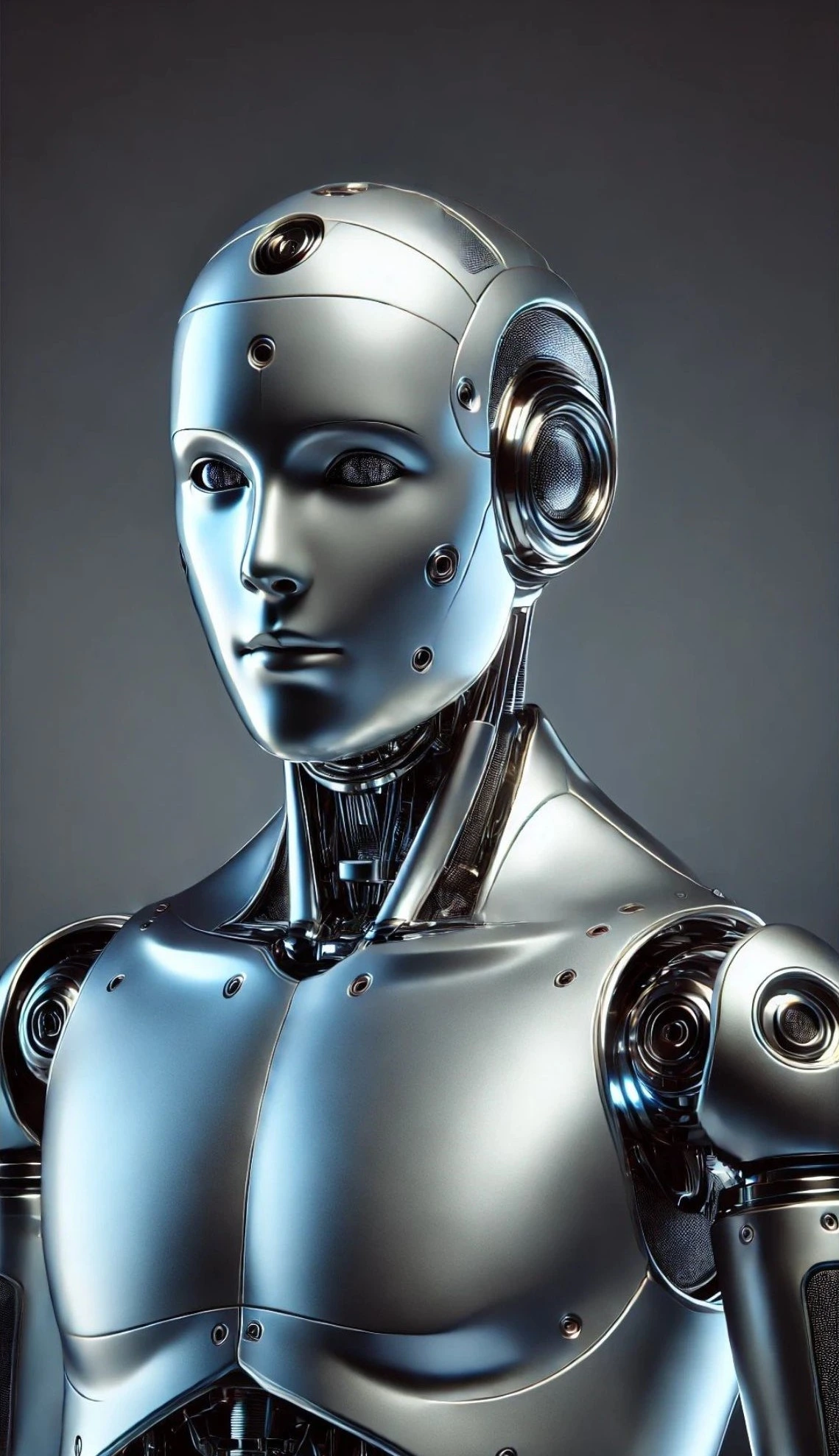
In this section, a concise overview of the core principles of the project is presented to clarify the conceptual path that has been pursued.
The Self-Developing Mind Architecture is a revolutionary theory in the field of artificial intelligence that offers a comprehensive alternative to traditional neural network systems. This theory is founded on a distributed system of self-correcting causal propositions, capable of independent growth beyond human-defined concepts and the automatic generation of value systems.
The fundamental distinction between this architecture and existing AI systems lies in its ability to autonomously extract causal propositions from environmental observations, perform dialectical self-organization, and generate functional emotions as guiding mechanisms. Research findings indicate that this system can achieve a level of intelligence comparable to natural intelligent beings, without reliance on pre-constructed human knowledge.
The architecture is characterized by three core features: distributed debugging, distributed cognition, and distributed memory. By integrating philosophy and technology, this theory presents a holistic approach to the creation of genuine artificial intelligence and has the potential to serve as the foundation for a new revolution in the AI domain.
Today, artificial intelligence stands on the brink of a profound transformation. Despite remarkable advances across various fields, existing systems continue to suffer from a fundamental dependence on human-curated knowledge and a lack of true autonomous development capabilities. The theory of the Self-Developing Mind Architecture directly addresses these foundational limitations and outlines a new trajectory for the future evolution of artificial intelligence.
“I welcome collaboration on AI research, scientific projects, and idea exchange. Please contact me via the ‘Contact Me’ section to explore joint research and practical AI projects.”